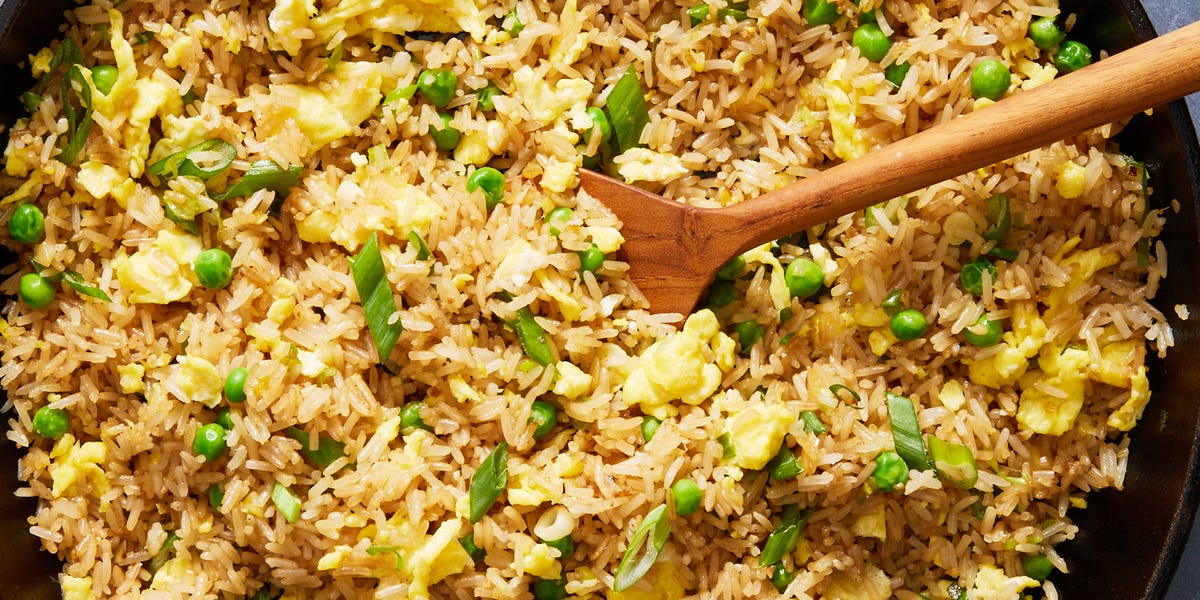
Delish's Best-Ever Fried Rice Recipe: Pro Tips for Perfection
There’s a universally acknowledged truth in the culinary world: few dishes satisfy quite like a perfectly executed plate of fried rice. It's the ultimate comfort food, a canvas for customization, and surprisingly, a dish that's incredibly rewarding to master at home. While takeout versions hold a special place in our hearts, imagine crafting a batch that surpasses even your favorite restaurant’s offering, right in your own kitchen. That’s precisely the promise of Delish's meticulously developed recipe, honed over six iterations to deliver what they confidently call the
best ever fried rice.
This isn't just another recipe; it's a deep dive into the foundational elements and subtle nuances that transform simple ingredients into an extraordinary culinary experience. Whether you crave the classic comfort of a chicken fried rice, the savory depth of pork, or the aromatic zest of a Thai-inspired dish, this base recipe provides an unbeatable starting point. Prepare to unlock the secrets to fluffy grains, vibrant vegetables, and that irresistible savory umami that makes every bite addictive.
The Foundation: Unlocking the Secret to Perfect Rice
The cornerstone of any truly exceptional fried rice lies in the rice itself. It might seem obvious, but the type and preparation of your rice are paramount to achieving that coveted restaurant-quality texture – fluffy, separate grains with just the right chew, devoid of any stickiness or mushiness.
Everyone knows the golden rule: *day-old rice* is your best friend. But why? Freshly cooked rice, especially straight from the pot, contains a high moisture content. When stir-fried, this moisture releases, steaming the rice rather than frying it, leading to a gluey, soggy result. Day-old rice, ideally refrigerated uncovered or spread thinly, allows excess moisture to evaporate, drying out the grains slightly. This crucial step is what enables the rice to crisp up beautifully when it hits the hot wok, creating those delightful slightly crunchy bits we all adore.
For the optimal experience, long-grain jasmine rice is the gold standard. Its individual grains hold their shape well and separate easily, contributing to a light and airy texture. While jasmine is preferred, any long-grain white rice will serve you well. Short-grain or medium-grain varieties tend to be starchier and stickier, making them less ideal for fried rice.
Pro Tip for No-Leftover Days: Don't have day-old rice? No problem! Restaurants often employ a clever trick. Cook fresh rice with slightly less water than usual. Once cooked, immediately spread it out in a thin layer on a baking sheet. Pop it into the freezer for 15-20 minutes, or the refrigerator for an hour or two, until it's completely chilled and dried out. This mimics the effect of day-old rice and will put you on the fast track to the
best ever fried rice.
Beyond the Basics: Essential Ingredients for Unbeatable Flavor
While the technique is important, the magic of this Delish recipe also lies in a thoughtfully curated list of ingredients, each playing a vital role in building complex layers of flavor. Forget bland, forget basic – these additions elevate your homemade fried rice to extraordinary heights.
*
Oil: The Heat Conductor
Choose an oil with a high smoke point, like canola, grapeseed, or peanut oil. And here's a crucial point: *don't be afraid to use a generous amount*. This is fried rice, after all! Sufficient oil ensures proper frying, preventing sticking and promoting that desired slightly crispy texture on the rice grains.
*
Eggs: Scrambled Perfection
Delish's recipe calls for three large eggs. For those appealing white streaks and pockets of fluffy egg throughout the rice, only barely beat them. Just enough to break the yolks, leaving distinct whites and yellows. This creates a more rustic, home-style appearance and texture.
*
Garlic & Ginger: The Aromatic Power Duo
If you love a pungent, aromatic kick, lean into the garlic. Five cloves might sound like a lot, but for truly garlicky fried rice, it's perfect. Minced very finely, it infuses the oil and subsequent ingredients with irresistible fragrance. An inch of freshly minced ginger joins the garlic, adding a complementary warm, zesty note that brightens the entire dish.
*
Scallions: The Green & White Divide
Separate the white and green parts of your scallions. The whites, with their stronger oniony flavor, are cooked along with the aromatics and vegetables. The vibrant green tops are reserved for a fresh, crisp garnish, providing a pop of color and a milder oniony finish.
*
Soy Sauce: Umami Depth
While some traditional fried rice recipes might omit soy sauce, Delish (and many American palates) finds it essential. It adds a crucial layer of umami and body, especially in a meat-free version. Opt for low-sodium soy sauce to maintain control over the saltiness, allowing you to season to taste.
*
Sugar: The Flavor Balancer
A pinch of sugar might seem counterintuitive in a savory dish, but it's a secret weapon for achieving a well-rounded flavor profile. It doesn't make the dish sweet, but rather harmonizes and enhances other savory notes, adding complexity and depth that truly defines the
best ever fried rice.
*
White Pepper: The Earthy Secret
Often overlooked outside of professional kitchens, white pepper is a game-changer. It offers an earthy, less pungent heat than black pepper, delivering a unique aroma and a subtle kick that’s surprisingly addictive. Once you try it, you'll understand why Delish encourages its generous use!
*
MSG: The Umami Multiplier
MSG (monosodium glutamate) is perhaps the most misunderstood ingredient, but it's a secret weapon for achieving that elusive "restaurant taste." It delivers a pure, savory umami punch that elevates all other flavors, providing a sweet-salty boost that makes fried rice truly irresistible. For a deeper dive into how this and other ingredients like butter can revolutionize your fried rice, explore insights in our article on
MSG & Butter: Surprising Secrets for Your Best Fried Rice.
*
Peas: A Pop of Sweetness
A classic addition in many American fried rice versions, frozen peas add a touch of sweetness and vibrant color. Don't worry about them releasing too much moisture; they defrost quickly in the hot wok without compromising the rice's texture.
*
Butter: A Touch of Richness
Though a bit controversial in traditional fried rice circles, a small knob of butter swirled in at the end adds a wonderful, luxurious richness and silky mouthfeel. A little goes a long way in contributing a nuanced depth of flavor that many find utterly delightful.
Mastering the Wok: Techniques for a Restaurant-Quality Finish
Beyond the ingredients, the method of cooking is equally critical. To achieve that perfect balance of fluffy, slightly crispy rice and perfectly cooked additions, a few key techniques are paramount. This isn't just about tossing ingredients together; it's about layering flavors and textures efficiently and effectively. For a lightning-fast route to culinary triumph, you'll be amazed at how quickly you can create
Homemade Fried Rice: Better Than Takeout in Just 15 Minutes.
1.
High Heat is Non-Negotiable:
The secret to "frying" rather than "steaming" your rice and vegetables is intense heat. Use a wok if you have one, or a large, heavy-bottomed skillet over high heat. Allow it to get screaming hot before adding oil. This high temperature is essential for searing ingredients quickly, creating char, and preventing everything from becoming soggy.
2.
Don't Overcrowd the Pan:
This is perhaps one of the most common mistakes in home cooking. Adding too many ingredients at once drops the pan's temperature dramatically, causing food to steam rather than fry. If you're making a large batch, cook in stages:
*
Scrambled Eggs: Quickly cook the barely beaten eggs, breaking them into pieces as they set, then remove them from the wok.
*
Aromatics & Veggies: Add more oil, then sauté the whites of the scallions, garlic, and ginger until fragrant. Then add any hardier vegetables (like carrots) followed by softer ones (like peas). Cook until tender-crisp. Remove them from the wok as well.
*
The Rice: Now, add your day-old (or restaurant-method) rice to the hot wok with a bit more oil. Spread it out and let it cook undisturbed for a minute or two to get some crispy bits, then stir-fry vigorously, breaking up any clumps.
3.
Layering Flavors and Stir-Frying Technique:
Once the rice is beautifully separated and lightly toasted, return the cooked eggs and vegetables to the wok. Pour your soy sauce (mixed with sugar, white pepper, and MSG) over the rice. Stir-fry constantly, using a scooping and folding motion to ensure every grain is coated. This is where the magic happens – the flavors meld, and the rice absorbs the savory goodness.
4.
Finishing Touches:
Just before serving, stir in the green parts of the scallions and that knob of butter if you're using it. The residual heat will soften the scallions slightly while retaining their freshness, and the butter will melt into the rice, adding an extra layer of richness.
Customization: Your Fried Rice, Your Rules
While Delish’s base recipe for the
best ever fried rice is fantastic as is, its true beauty lies in its adaptability. This is your culinary playground!
*
Proteins: Feeling carnivorous? Add cooked diced chicken, pork, shrimp, or thinly sliced beef. For a vegetarian option, pan-fried tofu or tempeh works wonderfully.
*
Vegetables: Expand beyond peas! Corn, finely diced carrots, bell peppers, mushrooms, or even a handful of spinach can be delightful additions. Just remember to add them in stages according to their cooking time.
*
Spice It Up: A dash of chili oil or sriracha at the table (or during cooking, if you dare!) can introduce a delightful kick.
*
Global Twists: Experiment with different sauces. A touch of fish sauce for a Thai-inspired flavor, or a drizzle of sesame oil at the end for nutty aroma.
Conclusion
Creating the
best ever fried rice at home isn't just about following a recipe; it's about understanding the nuances of ingredients and mastering a few key techniques. From the critical importance of dry, day-old rice to the strategic layering of aromatics, seasonings, and the judicious use of ingredients like white pepper, MSG, and even butter, every step contributes to an outcome that truly rivals (and often surpasses) your favorite takeout. By embracing Delish’s pro tips and infusing your own culinary creativity, you’ll discover the immense satisfaction of serving up a dish that is not only delicious but uniquely yours. So fire up your wok, gather your ingredients, and get ready to transform simple rice into an unforgettable feast!